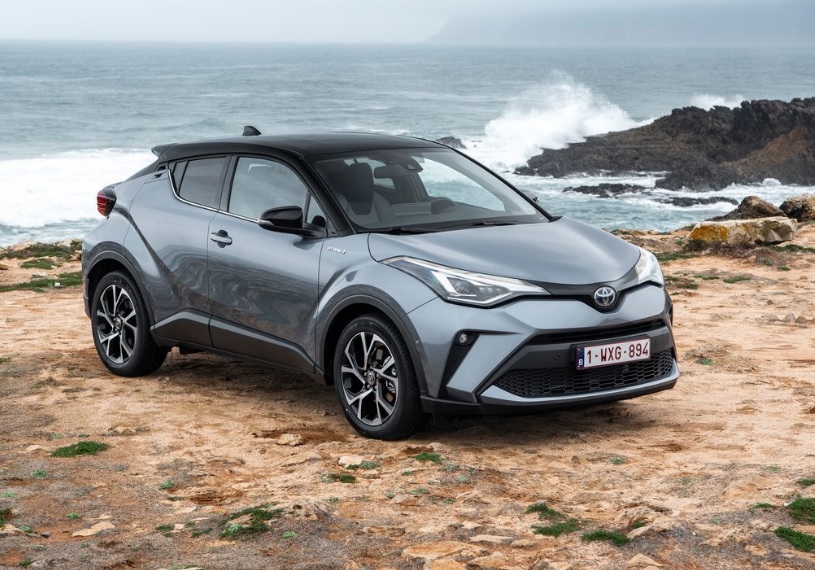
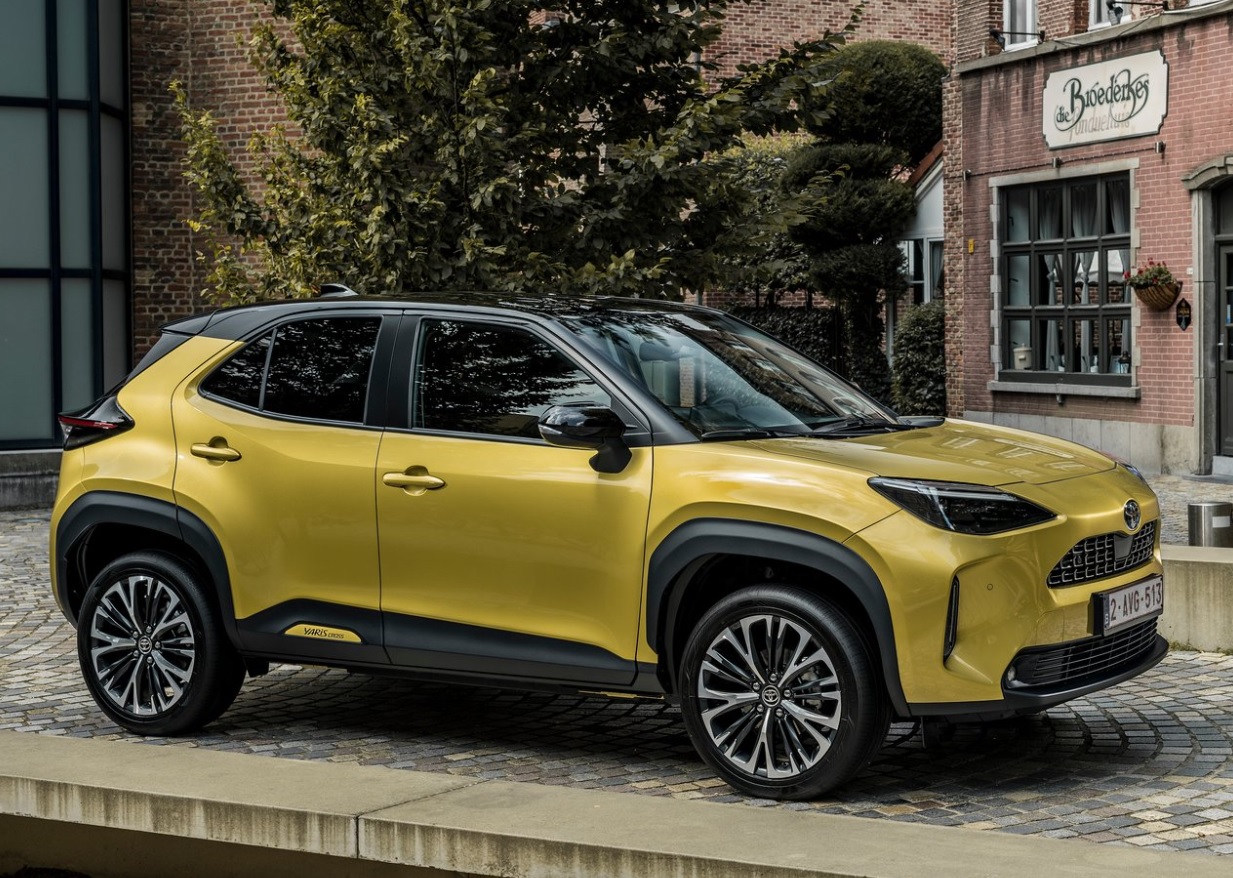
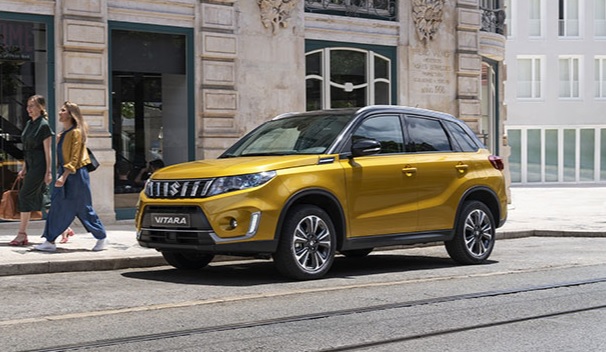
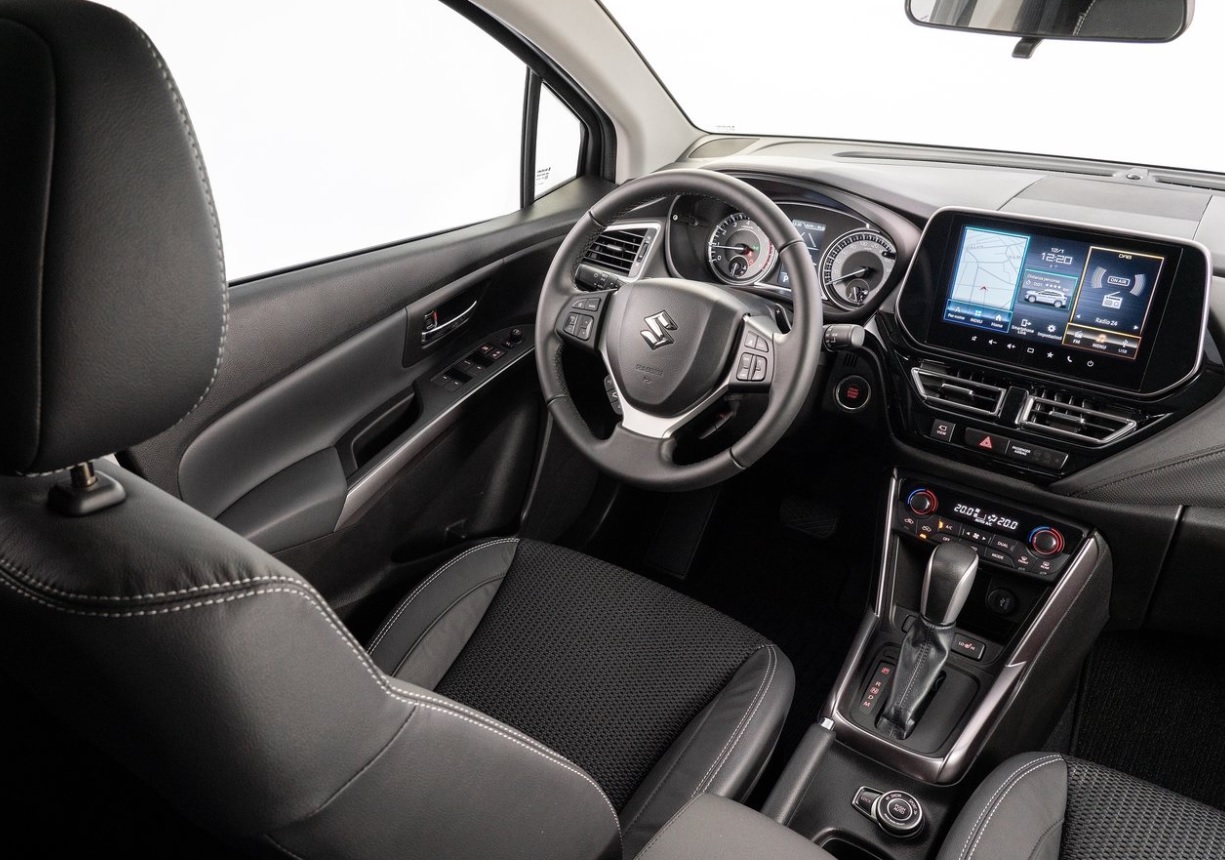
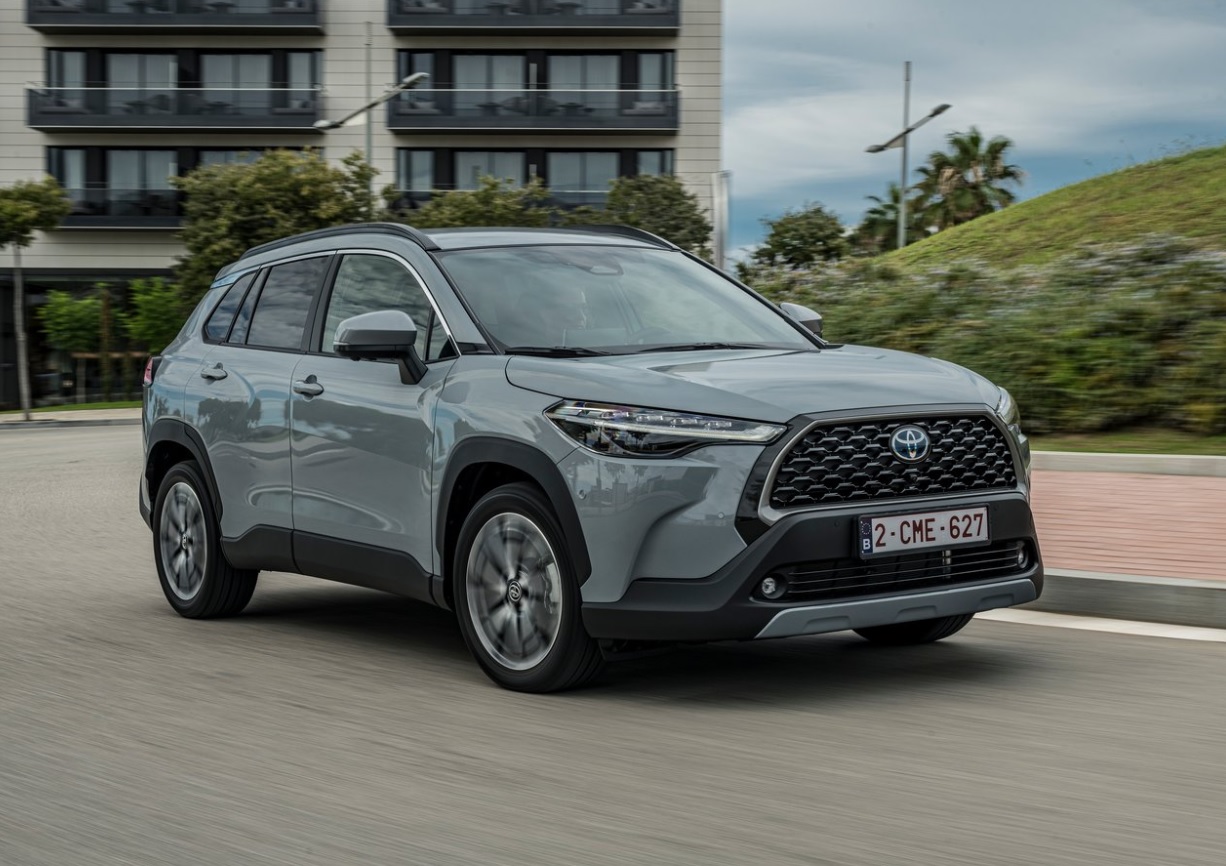
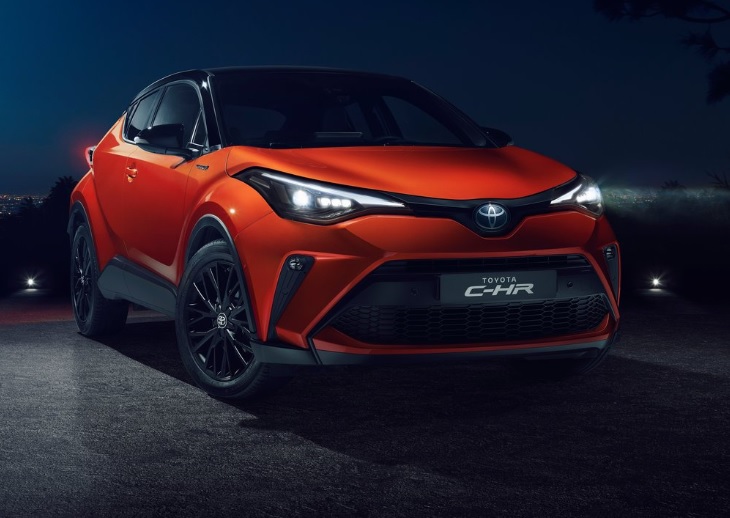
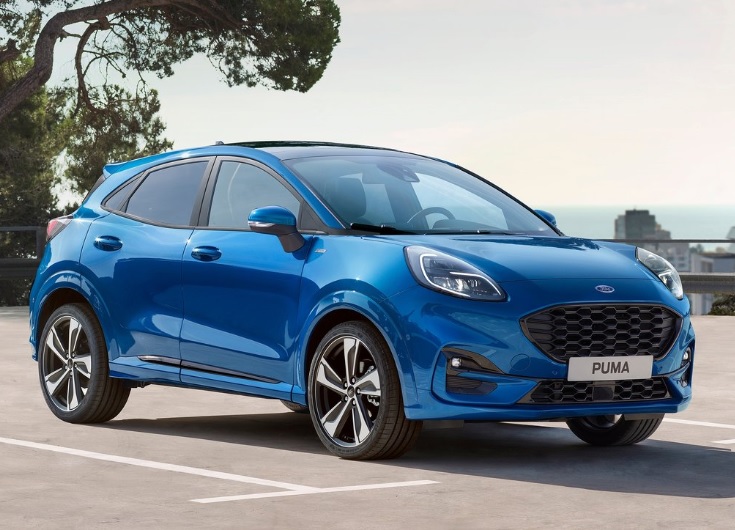
| Toyota C-HR 1.8 Hybrid Flame | Ford Puma 1.0 EcoBoost ST-Line | |
|---|---|---|
 |
 |
|
General Information |
||
| Year | 2021 | 2022 |
| Equipment | Flame | ST-Line |
| Body Type | Crossover | SUV |
Engine Specs |
||
| Engine | 1.8 Hybrid | 1.0 EcoBoost |
| Fuel Type | Hybrid | Petrol & Electric |
| Engine Displacement | 1798 cc | 999 cc |
| Number of Cylinders | 4 | 3 |
Transmission |
||
| Transmission Type | e-CVT | AT |
| Gearbox | Automatic | Automatic |
| Number of gears | ? | 7 |
| Driving System | 4x2 | 4x2 |
Performance |
||
| Engine Power | 122 HP | 155 HP |
| Torque | 142 Nm | 240 Nm |
| Acceleration 0-100 | 11.0 sn | 8.7 sn |
| Maximum Speed | 170 | 200 |
Fuel Consumption |
||
| City | 3.2 L | 6.4 L |
| Highway | 4.2 L | 5.7 L |
| Combined | 3.7 L | 6.1 L |
| Fuel Tank | 43 L | 42 L |
Dimensions |
||
| Length | 4390 mm | 4207 mm |
| Width | 1795 mm | 1805 mm |
| Height | 1555 mm | 1536 mm |
| Curb Weight | 1495 kg | 1280 kg |
| Boot Space | 297 L | 456 L |
Tire and Wheel |
||
| Tire Tread | 215 | 215 |
| Tire Sidewall | 60 | 50 |
| Wheel Rims Size | 17 | 18 |
| 2021 Toyota C-HR 1.8 Hybrid Flame | 2022 Ford Puma 1.0 EcoBoost ST-Line | |
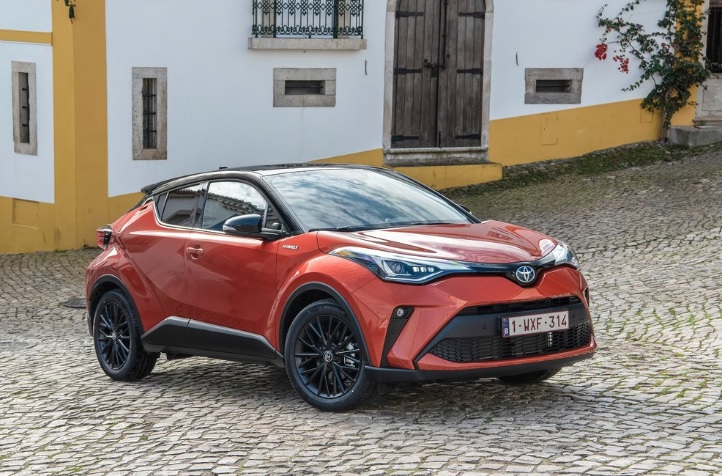
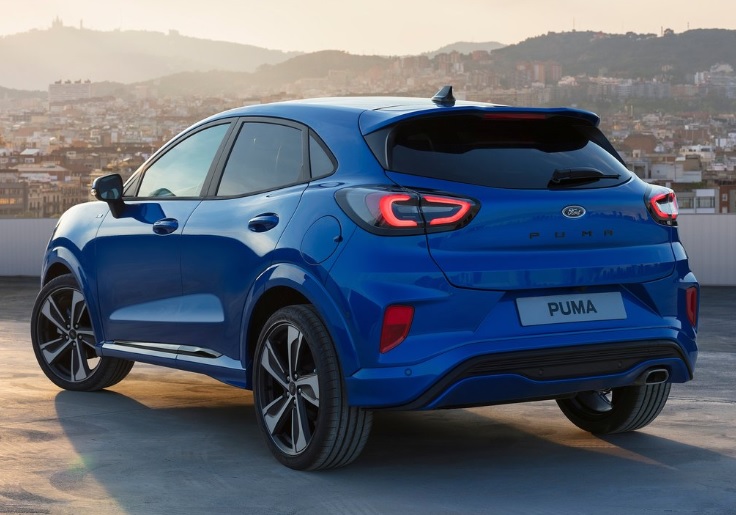
When deciding between 2021 Toyota C-HR 1.8 Hybrid Flame and 2022 Ford Puma 1.0 EcoBoost ST-Line, buyers often look at boot capacity, performance, and fuel efficiency. Our detailed table highlights the differences side by side.
If you prioritize cargo space, the Toyota C-HR offers 297 liters, while the Ford Puma stands out with 155 horsepower performance. The right choice depends on whether you value practicality or driving dynamics.