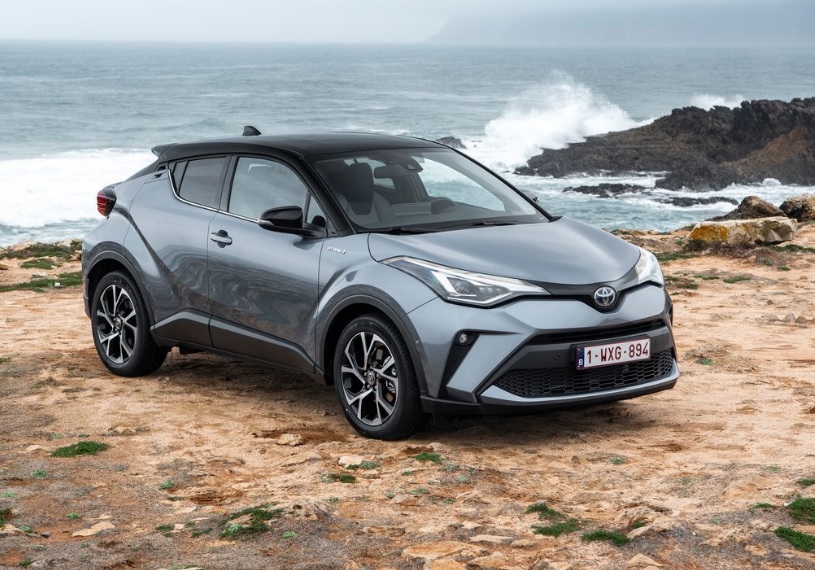
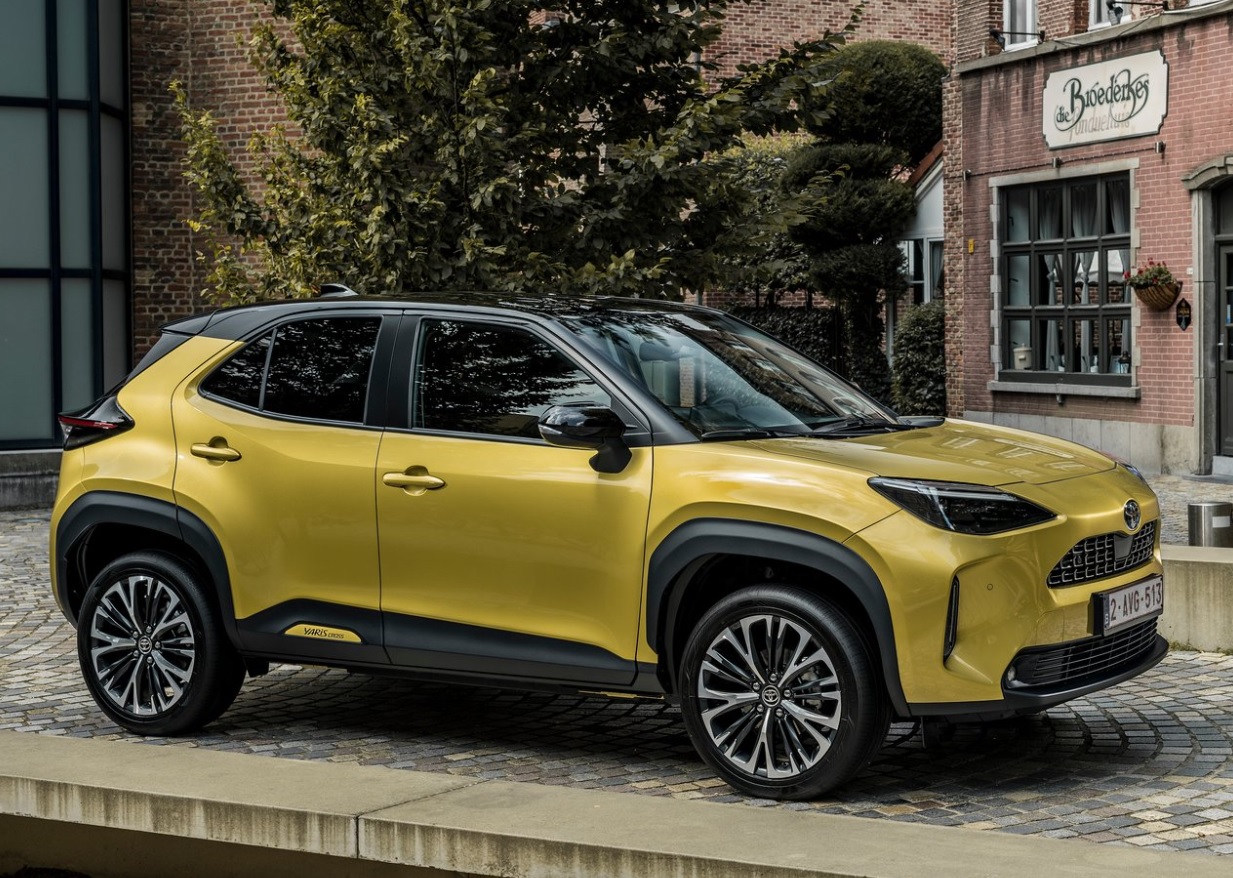
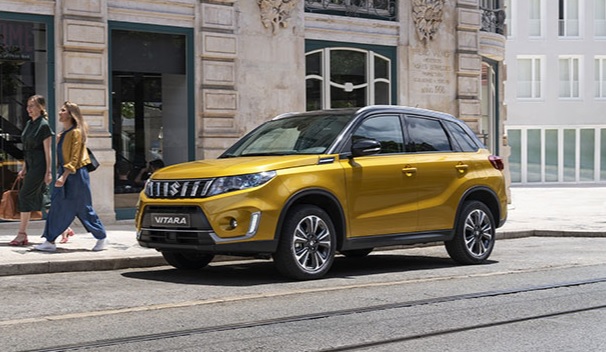
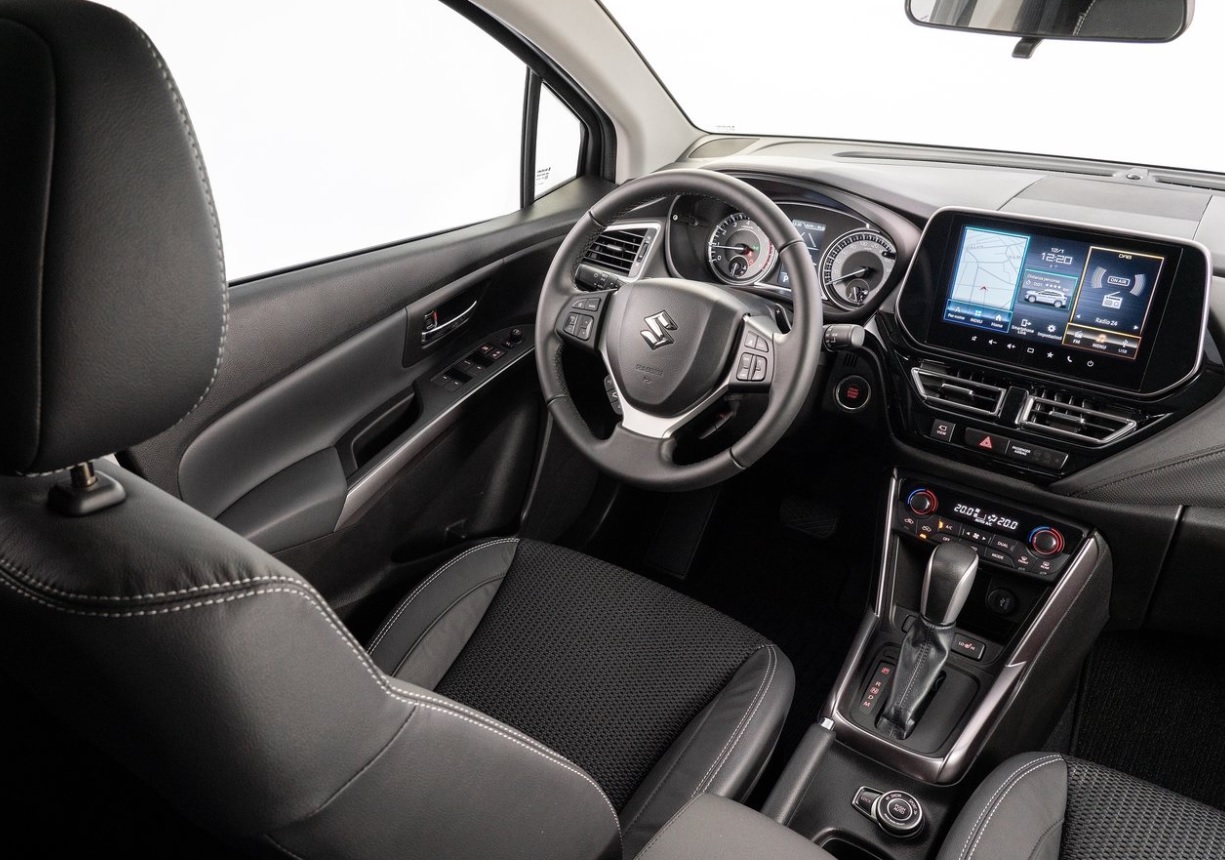
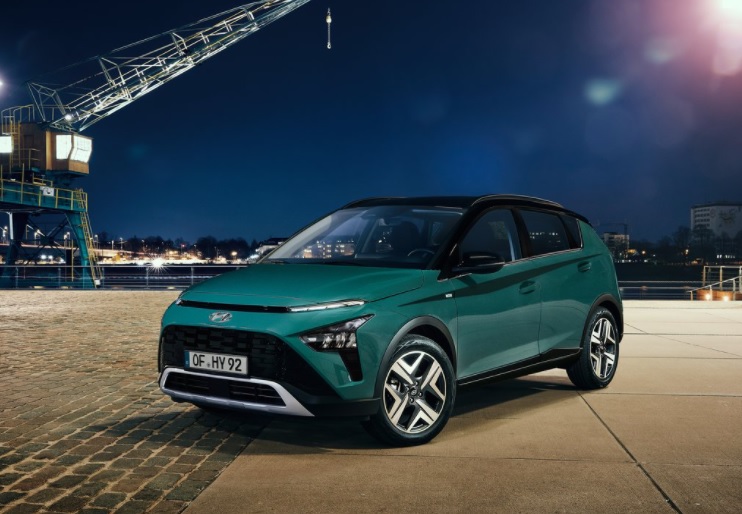
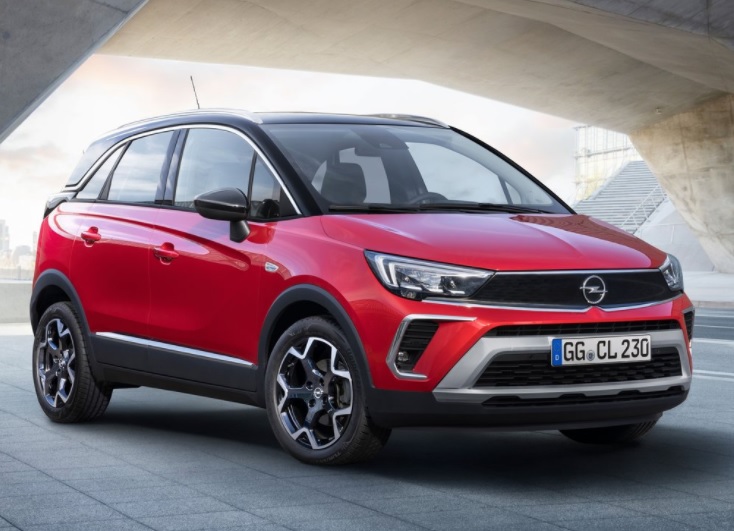
| Hyundai Bayon 1.4 MPI Style | Opel Crossland 1.2 Turbo Elegance | |
|---|---|---|
 |
 |
|
General Information |
||
| Year | 2021 | 2022 |
| Equipment | Style | Elegance |
| Body Type | SUV | SUV |
Engine Specs |
||
| Engine | 1.4 MPI | 1.2 Turbo |
| Fuel Type | Petrol | Petrol |
| Engine Displacement | 1368 cc | 1199 cc |
| Number of Cylinders | 4 | 3 |
Transmission |
||
| Transmission Type | AT | AT |
| Gearbox | Automatic | Automatic |
| Number of gears | 6 | 6 |
| Driving System | Front Wheel Drive | Front Wheel Drive |
Performance |
||
| Engine Power | 100 HP | 130 HP |
| Torque | 134 Nm | 230 Nm |
| Acceleration 0-100 | 13.7 sn | 10.2 sn |
| Maximum Speed | 176 | 198 |
Fuel Consumption |
||
| City | 9.4 L | 5.9 L |
| Highway | 6.6 L | 4.4 L |
| Combined | 8.0 L | 5.2 L |
| Fuel Tank | 40 L | 45 L |
Dimensions |
||
| Length | 4180 mm | 4217 mm |
| Width | 1775 mm | 1765 mm |
| Height | 1500 mm | 1605 mm |
| Curb Weight | 1162 kg | 1291 kg |
| Boot Space | 411 L | 410 L |
Tire and Wheel |
||
| Tire Tread | 205 | 215 |
| Tire Sidewall | 55 | 50 |
| Wheel Rims Size | 17 | 17 |
| 2021 Hyundai Bayon 1.4 MPI Style | 2022 Opel Crossland 1.2 Turbo Elegance | |
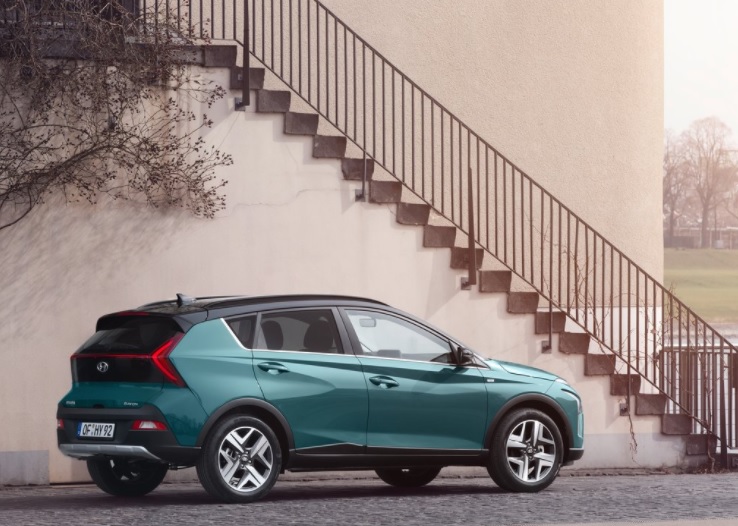
When deciding between 2021 Hyundai Bayon 1.4 MPI Style and 2022 Opel Crossland 1.2 Turbo Elegance, buyers often look at boot capacity, performance, and fuel efficiency. Our detailed table highlights the differences side by side.
If you prioritize cargo space, the Hyundai Bayon offers 411 liters, while the Opel Crossland stands out with 130 horsepower performance. The right choice depends on whether you value practicality or driving dynamics.